

- The Soul of the Machine: Why We Upcycle Automotive History
- Engineering Sustainability: The Environmental Impact of Upcycling
- The SIM83 Creative Philosophy: Crafting Functional Mechanical Art
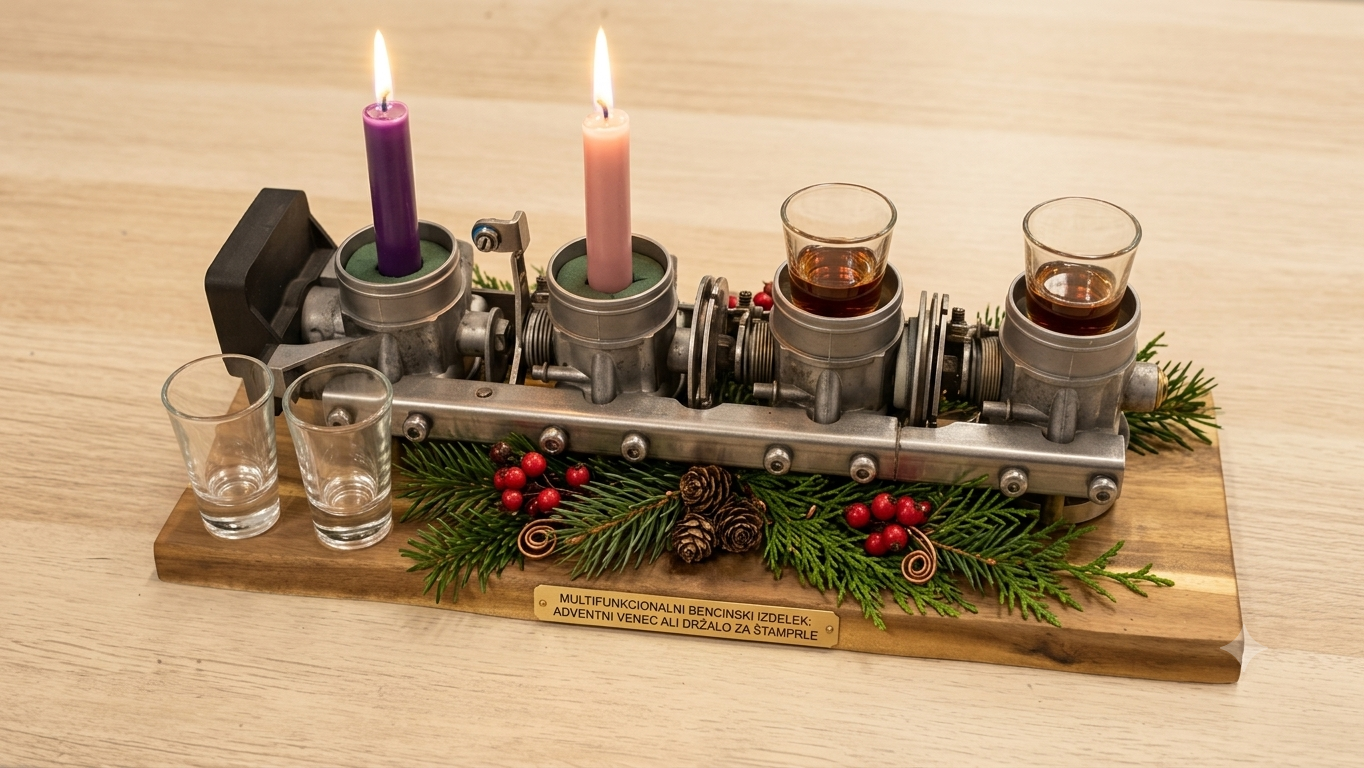
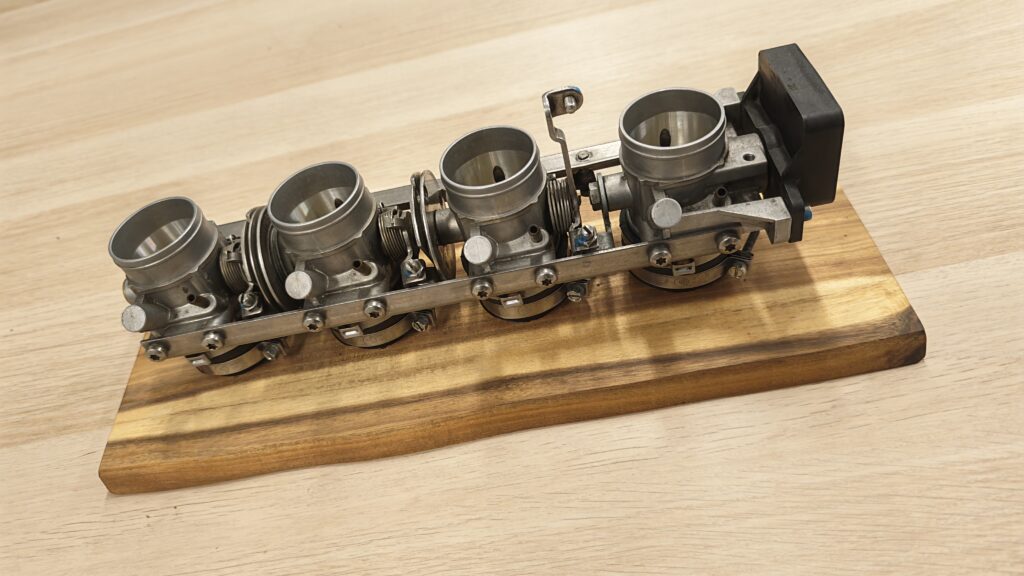
- The Carburetor Candle Stand: Igniting a Different Kind of Flame
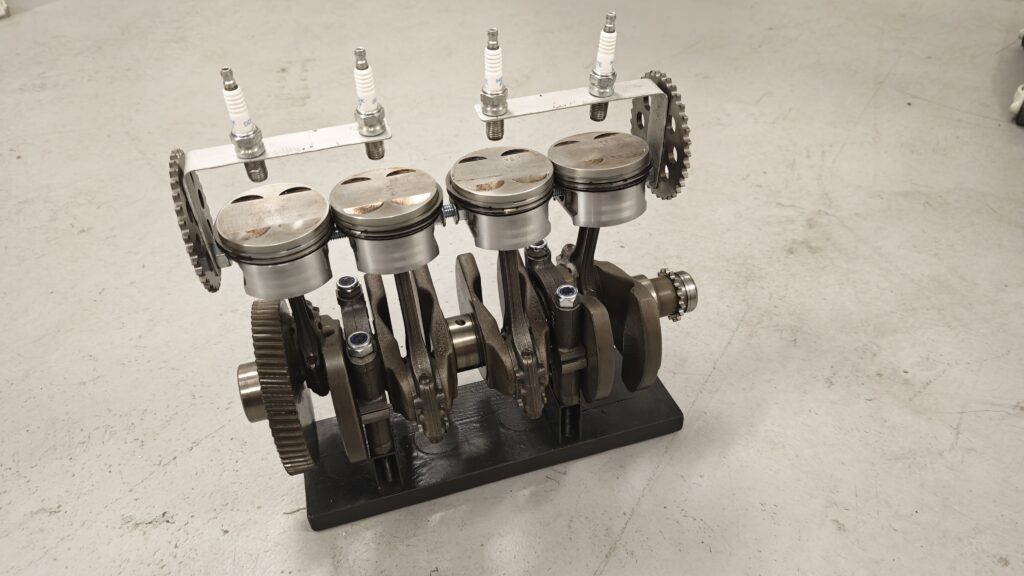
- The Opened Piston Stand: Engineering Elegance on Your Desk
- The Foot Peg Hanger Set: Rugged Utility for the Entryway
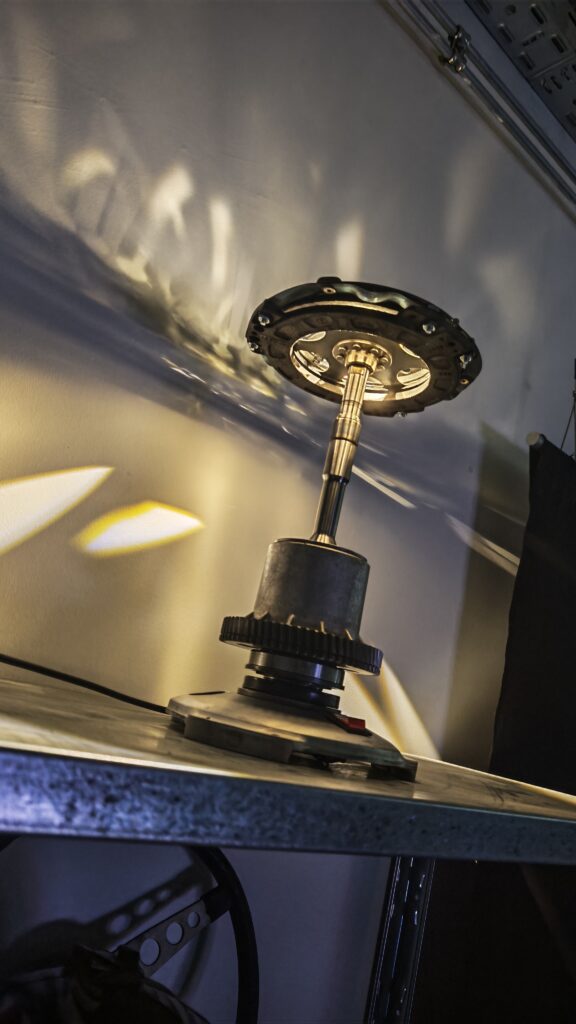
- The Clutch Plate Lamp: Illuminating Industrial Design
- Designing the Ultimate Gearhead Sanctuary
- Behind the Craft: How Raw Scrap Becomes Premium Decor
- Sourcing and Creative Ideation for Your Next Space
The Soul of the Machine: Why We Upcycle Automotive History
There is an undeniable poetry hidden within the cold, machined steel of an internal combustion engine. For decades, these components endured extreme pressures, thousands of revolutions per minute, and the raw ignition of fossil fuels to propel us forward. But what happens when the engine block cracks, the seals fail, or the vehicle simply reaches the end of its road? Too often, these engineering marvels are melted down or left to rust in forgotten junkyards.
At SIM83, we believe that mechanical components deserve a second lap at life. Upcycling—or creative reuse—is the process of transforming byproducts, waste materials, or unwanted products into new materials or products perceived to be of greater quality, artistic value, or environmental value. When applied to the automotive and motorcycle world, upcycling morphs into a high-octane art form. It bridges the gap between rugged industrial utility and sophisticated interior styling.
The aesthetic appeal of automotive decor lies in its raw honesty. Unlike mass-produced furniture made of veneered particleboard, components made from solid steel, aluminum, and brass carry weight, history, and character. Every scratch, patina, and discoloration tells a story of miles traveled and challenges overcome. By preserving these elements, we create interior pieces that serve as instant conversation starters while paying homage to human engineering.
Engineering Sustainability: The Environmental Impact of Upcycling
Beyond the obvious visual charm, repurposing old mechanical parts addresses a critical ecological need. The automotive manufacturing industry is incredibly resource-intensive. According to studies tracked by the Environmental Protection Agency, industrial recycling and the reclamation of scrap metals significantly lower the carbon footprint compared to refining raw ore. However, traditional recycling still requires massive amounts of energy to melt down metals and recast them.
Upcycling bypasses this energy-intensive melting process entirely. By taking a component that already exists, cleaning it, and modifying its function, we extend its life cycle indefinitely with minimal environmental impact. This approach directly supports a circular economy, where waste is viewed not as an end product, but as raw material for the next creative venture.
When you choose a piece of repurposed automotive furniture, you are actively keeping heavy metals out of landfills and reducing the demand for cheap, disposable home goods. It is a conscious design choice that proves sustainability does not require sacrificing style, masculinity, or mechanical passion.
The SIM83 Creative Philosophy: Crafting Functional Mechanical Art
We do not just see scrap metal; we see potential. Our design philosophy centers around preserving the structural integrity and kinetic identity of the original parts while giving them a completely new, practical purpose. The goal is never to mask what the part used to be, but rather to highlight its form in a way that surprises and delights.
When executing these transformations, our team focuses on tactile and visual balance. Heavy, industrial metals are often paired with soft ambient lighting, natural wood grains, or polished glass to create a sophisticated look that fits perfectly into a modern apartment, an executive office, or an elite gaming room.
To give you a clearer picture of how these concepts come alive, let us pull back the curtain on four signature creations currently crafted in the SIM83 workshop.
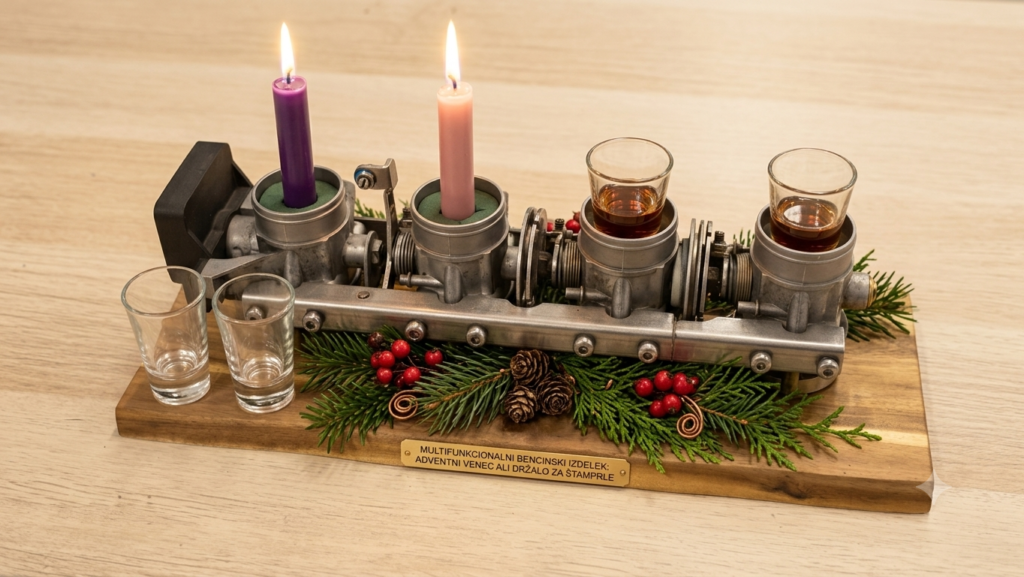
The Carburetor Candle Stand: Igniting a Different Kind of Flame
The carburetor was once the mechanical heart responsible for mixing air and fuel in perfect ratios to create internal combustion. It is a highly complex component filled with tiny jets, floats, butterflies, and intricate linkages. As modern fuel injection systems took over, these gorgeous mechanical puzzles became relics of a bygone era.
We took a vintage motorcycle carburetor and completely reimagined its purpose. After a meticulous ultrasonic deep-cleaning process to remove decades of fuel residue and varnish, the piece was media-blasted to reveal the brilliant underlying alloy.
Instead of mixing gasoline and air, this custom carburetor now holds a premium candle. The natural metallic chambers and intake throats reflect the warm, flickering glow of candlelight, casting intricate shadows across the room. It is an unexpected juxtaposition—using a device designed to handle volatile fuel to house a peaceful, open flame. This piece looks exceptionally striking on a minimalist coffee table or a rustic wooden mantelpiece.
The Opened Piston Stand: Engineering Elegance on Your Desk
Pistons are the unsung heroes of the engine bay, taking the brunt of the explosive force inside the cylinders. Because they are engineered to withstand extreme thermal and physical stress, they are made from incredibly durable, high-grade aluminum alloys.
For our opened piston stand, we source heavy-duty pistons and split them open using precision machining techniques. This reveals the internal cross-sections, gudgeon pin channels, and reinforcement ribs that are usually hidden deep within an engine block.
The top surface is polished to a mirror finish, while the structural skirts form a perfectly balanced, weighted base. This stand is incredibly versatile; it can be used as an ultra-stable base for a desktop smartphone dock, a unique business card holder for an automotive executive, or a desk organizer for high-end pens. It brings a solid, reassuring weight to your workspace, reminding you of mechanical precision every time you reach for your phone.
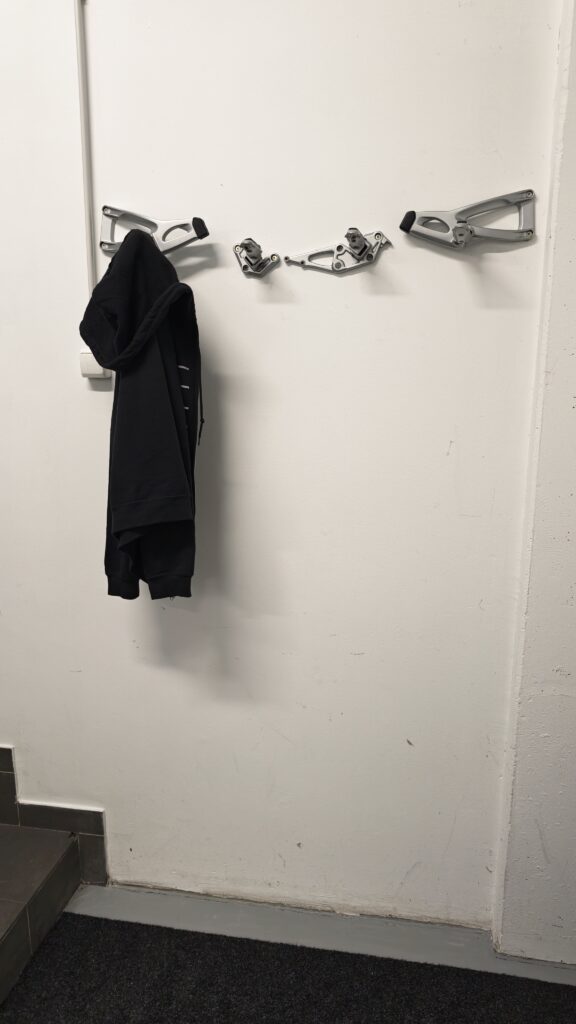
The Foot Peg Hanger Set: Rugged Utility for the Entryway
Motorcycle foot pegs are built to handle the entire weight of a rider shifting through corners at high speeds. They feature deep knurling, aggressive textures, and rugged folding mechanisms designed to prevent boots from slipping in wet conditions.
We took a series of matching rider and passenger foot pegs from classic sportbikes and cruisers and mounted them onto a heavy-duty, powder-coated steel backing plate. The result is an industrial wall hanger set that can easily support the heaviest leather riding jackets, helmets, and backpacks without flexing.
The beauty of this design lies in its functionality. When the hangers are not in use, the foot pegs can be folded up flat against the wall, just as they would on a motorcycle chassis. When you need them, simply flip them down. The knurled metal texture provides excellent grip, ensuring that your gear stays securely in place. It is the perfect addition to a garage entrance, a mudroom, or a hallway for anyone who prefers two wheels over four.
The Clutch Plate Lamp: Illuminating Industrial Design
The clutch system is the vital link that transfers power from the engine to the transmission. It consists of multiple friction plates and heavy steel pressure plates compressed by stiff springs. Because of their flat, circular geometry and complex patterns of ventilation slots and teeth, clutch components are prime candidates for architectural lighting.
Our custom clutch lamp utilizes a stacked array of motorcycle friction discs and an automotive pressure plate as its structural base and central column. The geometric teeth of the clutch plates create a mesmerizing, repetitive pattern that perfectly embodies the industrial aesthetic.
We routed premium, fabric-wrapped wiring through the center of the assembly, capping it with an industrial Edison-style LED bulb. The bulb’s warm filament casting light through the gaps in the clutch plates creates a dramatic interplay of light and geometry. This lamp does more than just light up a dark corner; it serves as a sculpture that celebrates the mechanical harmony of the drivetrain. This style aligns perfectly with the growing industrial design movements featured in publications like Architectural Digest, blending raw manufacturing elements with modern home living.
Designing the Ultimate Gearhead Sanctuary
For many automotive enthusiasts, passion is not confined to the garage. It spills over into our workspaces, living rooms, and dedicated entertainment hubs. Upcycled mechanical decor acts as the perfect bridge to tie these spaces together, creating a cohesive, high-end atmosphere.
This aesthetic is particularly powerful when designing modern gaming and simulation spaces. If you are building a world-class racing simulation setup, standard office furniture often feels out of place against the high-tech aesthetic of direct-drive wheelbases and load-cell pedals. Integrating these rugged, authentic art pieces alongside an elite cockpit from Trak Racer creates an immersive environment that feels less like a video game and more like a professional motorsport engineering bay.
Imagine sitting in a motion simulator, surrounded by the realistic feedback of a cutting-edge Moza steering system, while a custom clutch plate lamp illuminates your room and your riding jacket hangs from a real set of motorcycle foot pegs. The presence of authentic, tactile automotive components elevates the entire psychological experience, grounding the virtual racing world in real-world mechanical history.
Behind the Craft: How Raw Scrap Becomes Premium Decor
The journey from a greasy, discarded engine component to a pristine piece of home decor is a laborious process that requires patience, specialized tools, and a deep understanding of metallurgy. We follow a strict multi-step restoration process to ensure every item meets premium interior standards.
- Degreasing and Decontaminating: Raw automotive parts are covered in years of baked-on engine oil, carbon deposits, and road grime. Components undergo multiple rounds of chemical degreasing and hot ultrasonic baths to strip away all contaminants down to the bare metal.
- Media Blasting: To remove rust and old paint without damaging the underlying structure, components are blasted with specialized media like glass beads or walnut shells. This gives the metal a uniform, clean finish.
- Precision Machining and Welding: Parts are cut, drilled, or welded to fit their new roles. Whether we are splitting a piston or welding a clutch plate to a steel base, precision is vital to ensure structural integrity and balance.
- Surface Polishing and Texturing: Depending on the desired look, we alternate between high-mirror polishing, brushed satin finishes, or preserving a specific, controlled patina.
- Clear Coating and Protection: Bare steel and aluminum will oxidize over time when exposed to humidity in the air. Every piece is finished with a durable, automotive-grade clear coat or powder coating to lock in the finish and protect your furniture from fingerprints and corrosion for decades to come.
Sourcing and Creative Ideation for Your Next Space
If you are looking to bring this distinctive style into your own home, the options are virtually limitless. The key to successful automotive upcycling is looking at shapes rather than functions. A brake rotor becomes an excellent, heavy base for a table. An engine block can be topped with tempered glass to create an iconic coffee table. Connecting rods can be welded together to form geometric shelf brackets.
If you are looking for more inspiration or want to check out our latest curated releases, browse through our collection on the SIM83 Blog. We regularly share our latest build logs, styling tips, and technical breakdowns of how we turn mechanical remnants into timeless home features.
Ultimately, upcycling is about respect. It is about respecting the engineers who designed these parts, the materials harvested from the earth to build them, and the history they represent. By bringing a piece of SIM83 custom decor into your home, you are not just buying a product—you are preserving a piece of mechanical soul.