
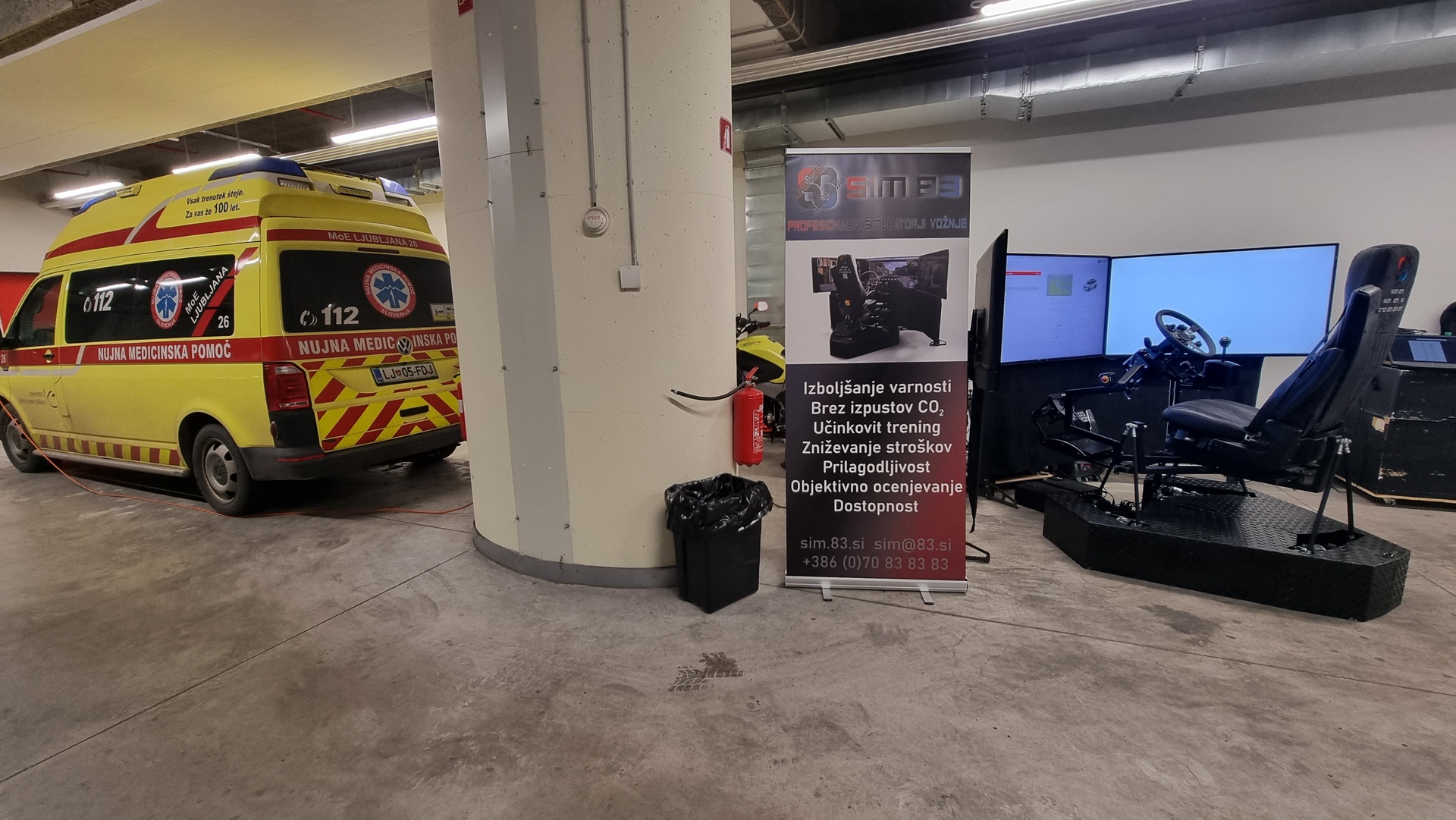

New technologies, such as virtual reality and advanced driving simulators, are shaping the future of driver training. These devices enable learners to experience realistic driving scenarios in a safe and controlled environment.
Technology
Unlike consumer simulators, which are powered by gaming computers and have minimal driver controls, driving simulators can incorporate real or replicated vehicle cockpits and feature advanced modelling of human factors, tyres and road surfaces, as well as powerful motion systems. They also enable real-time connectivity with advanced models of vehicle subsystems for ADAS testing and other systems, such as tachographs, navigation systems and the like. An example of such a simulator is Sim 83 – Driving
Simulators Safety
Numerous studies have shown that training on simulators can improve a driver’s performance in specific driving scenarios. The risk of physical injury is also eliminated, which is particularly important in safe driving training, where drivers need to learn to control the vehicle in specific circumstances, such as extreme weather conditions, unexpected obstacles on the road or sudden changes in direction.
Costs
Driving simulators provide a safe environment for assessing drivers. They enable an independent assessment process without relying on human judgement or bias. They also deliver long-term savings compared to traditional training methods, both in terms of equipment wear and tear, as well as fewer accidents and lower fuel consumption.
Conclusion
The future of driver training will undoubtedly be transformed by virtual reality and advanced simulators such as Sim 83 – Driving Simulators. Through virtual experiences and realistic training, learners can acquire key driving skills, improve their hazard perception and develop a solid foundation for safe and responsible driving.